

 2


|


|
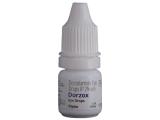
Trusopt is an eye-drop of a 5 ml bottle used to lower intraocular pressure in patients with glaucoma or ocular hypertension by reducing the production of fluid in the eye.
|

|
2%
1bottle |

|
$58.79
$48.99 $48.99 per bottle |
+ Package delivery insurance + Next orders 10% discount |
ADD TO CART save: $0.00 |
|
|
+ Package delivery insurance + Next orders 10% discount |
|||||
|
2%
2bottles |
|
$87.59
$72.99 $36.49 per bottle |
+ Package delivery insurance + Next orders 10% discount |
ADD TO CART save: $25.00 |
|
|
+ Package delivery insurance + Next orders 10% discount |
|||||
|
2%
3bottles |
|
$104.39
$86.99 $29.00 per bottle |
+ Package delivery insurance + Next orders 10% discount |
ADD TO CART save: $59.97 |
|
|
+ Package delivery insurance + Next orders 10% discount |
|||||

October
 |
|
Delivery period 14-21 days |
14.95$ | Tracking# available in 4 days |
 |
|
Delivery period 9-14 days |
30$ | Tracking# available in 2 days |
Common use
Trusopt (dorzolamide hydrochloride) is a prescription ophthalmic solution used for the treatment of elevated intraocular pressure (IOP) in patients diagnosed with open-angle glaucoma or ocular hypertension. When you buy Trusopt online, you receive a topical carbonic anhydrase inhibitor (CAI) specifically formulated for ocular use that works by inhibiting carbonic anhydrase II in the ciliary processes of the eye, reducing the rate of aqueous humor formation and thereby lowering intraocular pressure. By effectively reducing IOP, Trusopt helps prevent progressive optic nerve damage, visual field loss, and the irreversible vision impairment associated with uncontrolled glaucoma. Trusopt can be used as standalone therapy or as an add-on treatment alongside other IOP-lowering agents such as beta-blockers (timolol), prostaglandin analogues (latanoprost), or alpha-adrenergic agonists (brimonidine) for enhanced pressure control.
Dosage and direction
Trusopt dorzolamide 2% ophthalmic solution is typically instilled as one drop into the affected eye(s) two or three times daily, or as directed by your ophthalmologist. To apply correctly, tilt your head back slightly, gently pull down the lower eyelid to form a small pocket, and instill one drop into the conjunctival sac. Close your eye gently for one to two minutes and apply light pressure to the inner corner of the eye (nasolacrimal occlusion) to minimize systemic absorption and reduce the bitter taste sometimes associated with dorzolamide. Avoid touching the dropper tip to your eye, eyelids, fingers, or any surface to prevent bacterial contamination of the solution. If you are using multiple ophthalmic medications, allow at least 10 minutes between each product to ensure proper absorption and avoid wash-out effects.
Precautions
Before using Trusopt eye drops, inform your ophthalmologist if you have kidney disease or impaired renal function, a history of eye infections or corneal disease (including corneal endothelial dystrophy), or any known allergy to sulfonamide medications, as dorzolamide is a sulfonamide derivative and cross-reactivity may occur in sensitive individuals. Patients with severe renal impairment should avoid Trusopt due to potential drug accumulation. Remove soft contact lenses before instilling Trusopt and wait at least 15 minutes before reinserting, as the preservative benzalkonium chloride may be absorbed by and discolor soft lenses. Report any signs of ocular infection, increased eye pain, persistent redness, or visual disturbances to your eye care provider promptly.
Contraindications
Do not use Trusopt if you have a known hypersensitivity to dorzolamide, sulfonamides, or any component of the ophthalmic solution. Trusopt is contraindicated in patients with severe renal impairment (creatinine clearance below 30 mL/min) due to the risk of metabolite accumulation.
Possible side effect
Common side effects of Trusopt dorzolamide eye drops include temporary blurred vision immediately after instillation, eye burning or stinging, bitter or unusual taste in the mouth, tearing, ocular discomfort, superficial punctate keratitis, and mild eyelid inflammation. These effects are generally transient and tend to diminish with continued use. Less common but more serious adverse effects may include allergic conjunctivitis, corneal edema (particularly in patients with low endothelial cell counts), iridocyclitis, eye swelling, severe ocular pain, skin rash, Stevens-Johnson syndrome, or signs of systemic sulfonamide reaction including blood dyscrasias. Seek immediate medical attention if you experience severe eye pain, sudden vision changes, facial swelling, or difficulty breathing.
Drug interaction
Trusopt may interact with other carbonic anhydrase inhibitors, including oral acetazolamide or topical brinzolamide, potentially leading to additive effects and increased risk of systemic adverse reactions such as metabolic acidosis or electrolyte disturbances. Concurrent use with high-dose aspirin may enhance systemic sulfonamide toxicity. Medications that impair kidney function may increase dorzolamide accumulation. Inform your doctor about all prescription drugs, over-the-counter products, other eye drops, and supplements you are taking.
Missed dose
If you miss a dose of Trusopt, apply it as soon as you remember and then continue with your regular dosing schedule. If it is almost time for the next scheduled drop, skip the missed application and proceed normally. Do not instill a double dose to make up for the missed one.
Overdose
Topical overdose of Trusopt may cause temporary eye irritation, excessive tearing, or blurred vision. If significant amounts are absorbed systemically through excessive use, symptoms may include electrolyte imbalances, metabolic acidosis, or central nervous system effects such as fatigue or dizziness. Seek medical attention promptly if overdose is suspected, and flush the eyes thoroughly with clean water or saline if excessive drops have been applied.
Storage
Store Trusopt ophthalmic solution at controlled room temperature between 15 and 30 degrees Celsius (59-86 degrees Fahrenheit), away from excessive heat and direct light. Keep the bottle tightly closed and stored upright, out of reach of children. Do not freeze. Discard any unused solution after the period specified on the label after first opening or as directed by your pharmacist.
Disclaimer
We provide only general information about medications which does not cover all directions, possible drug integrations, or precautions. Information at the site cannot be used for self-treatment and self-diagnosis. Any specific instructions for a particular patient should be agreed with your health care adviser or doctor in charge of the case. We disclaim reliability of this information and mistakes it could contain. We are not responsible for any direct, indirect, special or other indirect damage as a result of any use of the information on this site and also for consequences of self-treatment.
