

 2
2

|


|
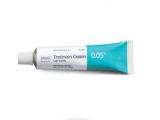
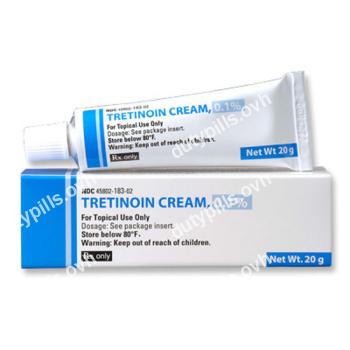
Tretinoin is a topical retinoid used to treat acne and improve skin texture by boosting cell turnover. It helps unclog pores, fade discoloration, and reduce fine lines over time. Side effects may include dryness and peeling, especially in the early stages. Avoid sun exposure and do not use during pregnancy.
|
|
0,05%
2tubes |
|
$21.59
$17.99 $8.99 per tube |
+ Package delivery insurance + Next orders 10% discount |
ADD TO CART save: $0.00 |
|
|
+ Package delivery insurance + Next orders 10% discount |
|||||
|
0,05%
4tubes |
|
$38.39
$31.99 $8.00 per tube |
+ Package delivery insurance + Next orders 10% discount |
ADD TO CART save: $3.96 |
|
|
+ Package delivery insurance + Next orders 10% discount |
|||||
|
0,05%
6tubes |
|
$50.39
$41.99 $7.00 per tube |
+ Package delivery insurance + Next orders 10% discount |
ADD TO CART save: $11.94 |
|
|
+ Package delivery insurance + Next orders 10% discount |
|||||
|
0.025%
2tubes |
|
$16.79
$13.99 $7.00 per tube |
+ Package delivery insurance + Next orders 10% discount |
ADD TO CART save: $0.00 |
|
|
+ Package delivery insurance + Next orders 10% discount |
|||||
|
0.025%
4tubes |
|
$28.79
$23.99 $6.00 per tube |
+ Package delivery insurance + Next orders 10% discount |
ADD TO CART save: $4.00 |
|
|
+ Package delivery insurance + Next orders 10% discount |
|||||
|
0.025%
6tubes |
|
$35.99
$29.99 $5.00 per tube |
+ Package delivery insurance + Next orders 10% discount |
ADD TO CART save: $12.00 |
|
|
+ Package delivery insurance + Next orders 10% discount |
|||||

October
 |
|
Delivery period 14-21 days |
14.95$ | Tracking# available in 4 days |
 |
|
Delivery period 9-14 days |
30$ | Tracking# available in 2 days |
Common Use
Tretinoin Cream is a topical retinoid derived from vitamin A, widely recognized as one of the most effective treatments for acne, fine wrinkles, and uneven skin tone. When you buy Tretinoin Cream online, you receive a trusted Retin-A generic that has been clinically proven to deliver visible skin improvements over consistent use. This powerful acne treatment works by dramatically increasing the rate of skin cell turnover, effectively unclogging pores, preventing new comedones (blackheads and whiteheads) from forming, and promoting the shedding of dead skin cells that contribute to breakouts. Beyond its well-established role in acne treatment, tretinoin is equally valued as an anti-aging cream that stimulates collagen production in the deeper layers of the skin, reducing the appearance of fine lines and wrinkles over time. As a retinoid, it also addresses hyperpigmentation — dark spots, age spots, and melasma — by accelerating the turnover of pigmented skin cells and promoting more even melanin distribution. The result is smoother, clearer, and more youthful-looking skin with a refined texture and improved radiance. Tretinoin is also used in oral form under strict medical supervision for the treatment of acute promyelocytic leukemia (APL), though this application is managed exclusively by oncology specialists.
Dosage and Direction
Tretinoin Cream is typically applied once daily in the evening to clean, completely dry skin. Wait at least 20 to 30 minutes after washing your face before application to minimize irritation, as applying tretinoin to damp skin increases its absorption and can intensify side effects. Apply a pea-sized amount in a thin, even layer across the entire treatment area — not just on individual blemishes. Gently spread the cream, avoiding the delicate skin around the eyes, corners of the mouth, nostrils, and any open wounds or sunburned areas. Daily broad-spectrum sunscreen with SPF 30 or higher is absolutely essential during tretinoin therapy, as this retinoid significantly increases your skin’s sensitivity to ultraviolet radiation. Visible improvements in acne treatment typically begin to appear after 6 to 8 weeks of consistent use, while wrinkle treatment and hyperpigmentation improvement may take 3 to 6 months. Be patient with the process — initial skin purging (a temporary worsening of breakouts) is common during the first few weeks and is actually a sign that the medication is working by bringing existing impurities to the surface.
Precautions
Before using tretinoin, tell your dermatologist if you have eczema, rosacea, perioral dermatitis, or particularly sensitive skin, as these conditions may be exacerbated by retinoid therapy. Avoid waxing, electrolysis, or chemical peels on treated areas, as tretinoin-sensitized skin is far more susceptible to damage and scarring from these procedures. Abrasive or drying skincare products — including astringents, alcohol-based toners, medicated soaps, and physical scrubs — should be discontinued or used with extreme caution during treatment to prevent excessive irritation. Sun exposure should be minimized; wear protective clothing, wide-brimmed hats, and apply sunscreen generously and frequently. Tretinoin must not be used during pregnancy in any form (topical or oral) due to the well-documented risk of severe birth defects. Women of childbearing age must use effective contraception throughout treatment and for at least one month after discontinuation. Wind and cold weather can worsen skin dryness and irritation during retinoid therapy, so use a gentle, non-comedogenic moisturizer as needed.
Contraindications
Do not use Tretinoin Cream if you have a known allergy to retinoids, vitamin A derivatives, or any other ingredients in the product formulation. This anti-aging cream and acne treatment is absolutely contraindicated during pregnancy — both topical and oral forms carry significant teratogenic risk and can cause serious birth defects. Patients with sunburn must wait until the skin has fully healed before beginning tretinoin application. Oral tretinoin used for leukemia treatment must be avoided in patients with severe liver dysfunction, uncontrolled hyperlipidemia (particularly high triglyceride levels), or known hypersensitivity to retinoids. Do not apply tretinoin to areas of active skin infection, open wounds, or severely irritated or broken skin.
Possible Side Effects
Common side effects of tretinoin cream include skin dryness, redness, flaking, mild peeling, a warm or burning sensation upon application, and increased sensitivity to sunlight. These effects are most pronounced during the first two to four weeks of treatment and typically diminish as your skin acclimates to the retinoid. A temporary increase in acne breakouts (purging) is normal during the initial adjustment period. More serious but rare side effects include severe skin irritation, blistering, crusting, significant swelling, and allergic contact dermatitis. With oral tretinoin for leukemia, potential side effects are more systemic and may include headache, bone pain, fever, dry mucous membranes, elevated liver enzymes, and vision problems. If you experience severe irritation, persistent pain, or signs of an allergic reaction to this skin renewal treatment, discontinue use and contact your dermatologist promptly.
Drug Interaction
Avoid combining Tretinoin Cream with other potentially irritating topical products including benzoyl peroxide (unless specifically directed by your dermatologist for combination therapy), alpha-hydroxy acids (AHAs), beta-hydroxy acids (salicylic acid), alcohol-based toners, sulfur-containing products, and physical exfoliants, as the combination can cause excessive dryness, peeling, and irritation. If your doctor recommends using benzoyl peroxide alongside tretinoin, apply them at different times of day — for example, benzoyl peroxide in the morning and tretinoin at night — to minimize interaction. Topical corticosteroids may be prescribed short-term to manage initial tretinoin irritation. Oral tretinoin for leukemia may interact with tetracycline antibiotics (increasing the risk of intracranial hypertension), vitamin A supplements (risk of hypervitaminosis A), and certain antifungal medications. Always inform your healthcare provider about all prescription medications, over-the-counter treatments, and dietary supplements you are using.
Missed Dose
If you miss a nightly application of Tretinoin Cream, apply it the following evening as part of your regular routine. Do not apply extra product or double your application to make up for the missed dose, as this will not accelerate results and will likely cause unnecessary irritation. Consistency is the key to achieving optimal results with this skin renewal treatment — regular nightly use over weeks and months produces the best outcomes for both acne treatment and anti-aging benefits. For oral tretinoin prescribed for leukemia, follow your oncologist’s specific guidance regarding missed doses.
Overdose
Topical overdose of tretinoin is unlikely with normal use but may occur if excessive amounts are applied, resulting in severe skin irritation, intense redness, widespread peeling, and discomfort. If accidental ingestion of the cream occurs, contact poison control immediately. Oral tretinoin overdose is more serious and may include symptoms such as severe headache, dizziness, vomiting, abdominal pain, facial flushing, and signs of vitamin A toxicity including dry, cracked lips and skin. Seek immediate medical attention if any form of tretinoin overdose is suspected. Treatment will be symptomatic and supportive.
Storage
Store Tretinoin Cream at controlled room temperature between 15°C and 25°C (59°F to 77°F), away from light, heat, and moisture, as exposure to these elements can degrade the active retinoid compound and reduce the product’s effectiveness. Keep the tube or container tightly closed when not in use and store out of reach of children. Do not freeze tretinoin cream or expose it to excessive heat (such as leaving it in a car during summer). Discard any product that has changed color, consistency, or odor. Check the expiration date regularly and replace expired products promptly.
Disclaimer
We provide only general information about medications which does not cover all directions, possible drug integrations, or precautions. Information at the site cannot be used for self-treatment and self-diagnosis. Any specific instructions for a particular patient should be agreed with your health care adviser or doctor in charge of the case. We disclaim reliability of this information and mistakes it could contain. We are not responsible for any direct, indirect, special or other indirect damage as a result of any use of the information on this site and also for consequences of self-treatment.
