

 2


|


|
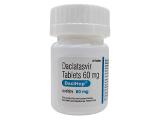
Natdac is an oral antiviral medication used to treat chronic hepatitis C infection by inhibiting viral replication and reducing viral load.
|

|
60mg
28pills |

|
$329.99
$274.99 $9.82 per pill |
+ Free standard airmail service + Package delivery insurance + Next orders 10% discount |
ADD TO CART save: $0.00 |
|
|
+ Free standard airmail service + Package delivery insurance + Next orders 10% discount |
|||||
|
60mg
56pills |
|
$495.59
$412.99 $7.37 per pill |
+ Free standard airmail service + Package delivery insurance + Next orders 10% discount |
ADD TO CART save: $137.20 |
|
|
+ Free standard airmail service + Package delivery insurance + Next orders 10% discount |
|||||

October
 |
|
Delivery period 14-21 days |
14.95$ | Tracking# available in 4 days |
 |
|
Delivery period 9-14 days |
30$ | Tracking# available in 2 days |
Common use
Natdac is a powerful direct-acting antiviral (DAA) combination tablet used to treat chronic hepatitis C virus (HCV) infection across all major genotypes (1 through 6). Each tablet contains sofosbuvir, daclatasvir, and tenofovir disoproxil — three active ingredients that work synergistically to target different stages of the HCV life cycle. Sofosbuvir inhibits the NS5B RNA-dependent RNA polymerase, while daclatasvir blocks the NS5A protein essential for viral replication and assembly. Tenofovir disoproxil adds a nucleotide reverse transcriptase inhibitor component, broadening the antiviral coverage. Together, these mechanisms suppress viral replication, reduce HCV viral load, and help achieve a sustained virological response (SVR), which is considered a functional cure. Natdac is particularly valuable for patients who need an affordable, all-in-one hepatitis C treatment option. By clearing the infection effectively, it helps prevent progressive liver damage, cirrhosis, and hepatocellular carcinoma — serious long-term complications of untreated hepatitis C. If you want to buy Natdac online for hepatitis C treatment, it is important to do so through a licensed pharmacy and under medical supervision.
Dosage and direction
Natdac is taken orally, usually once daily, with or without food, as directed by your healthcare provider. Swallow the tablets whole — do not crush, break, or chew them. The standard treatment duration ranges from 12 to 24 weeks, depending on the HCV genotype, prior treatment history, and the presence of liver complications such as cirrhosis. Your doctor will determine the appropriate course length based on your individual clinical profile. During treatment, regular monitoring of liver function tests (ALT, AST, bilirubin) and HCV RNA viral load is essential to assess therapeutic response. Adherence to the full treatment course without interruption is critical for achieving sustained virological response and preventing the development of drug-resistant viral strains.
Precautions
Before starting Natdac, inform your doctor about any pre-existing kidney disease, liver impairment, or HIV co-infection, as these conditions may require dose adjustments or additional monitoring. Patients with decompensated cirrhosis should be treated under close hepatological supervision. Watch for signs of hepatotoxicity, including fatigue, jaundice (yellowing of the skin or eyes), dark urine, or unusual bleeding and bruising. Strictly avoid alcohol and other hepatotoxic substances throughout the treatment course, as they can compromise liver recovery and reduce the medication's effectiveness. Women of childbearing age should use reliable contraception during treatment and discuss family planning with their physician, as the safety of Natdac during pregnancy has not been fully established.
Contraindications
Do not use Natdac if you are allergic to sofosbuvir, daclatasvir, tenofovir disoproxil, or any inactive ingredient in the formulation. This medication is contraindicated in patients with severe hepatic impairment (Child-Pugh Class C) and in those currently taking medications that strongly induce P-glycoprotein or CYP3A4, such as rifampin, carbamazepine, phenytoin, or St. John's wort, as these can dramatically reduce the antiviral drug concentrations and compromise treatment efficacy. Concurrent use with amiodarone is also contraindicated due to the risk of serious symptomatic bradycardia.
Possible side effect
Common side effects of Natdac include headache, fatigue, nausea, diarrhea, and insomnia. Some patients may also experience dizziness, decreased appetite, or mild abdominal discomfort. These effects are generally mild to moderate and tend to resolve as your body adjusts to the medication. Less common but more serious side effects may include elevated liver enzymes, severe allergic reactions (skin rash, swelling, difficulty breathing), or cardiac rhythm disturbances — particularly in patients with pre-existing heart conditions or those taking amiodarone. If you experience any signs of a serious reaction, such as chest pain, irregular heartbeat, severe skin rash, or persistent vomiting, discontinue use and seek emergency medical attention immediately.
Drug interaction
Natdac has significant drug interactions that must be carefully managed. It may interact with amiodarone (risk of severe bradycardia), rifampin and other strong CYP3A4/P-gp inducers (reduced antiviral efficacy), certain anticonvulsants (carbamazepine, phenobarbital, phenytoin), and proton pump inhibitors (which may affect absorption). Additionally, concurrent use with other hepatotoxic medications should be avoided. Statins metabolized by OATP transporters may require dose adjustment. Always provide your doctor with a complete list of all prescription medications, over-the-counter drugs, herbal supplements, and vitamins you are currently taking to avoid potentially dangerous interactions.
Missed dose
If you miss a dose of Natdac, take it as soon as you remember on the same day. If it is already close to the time for your next scheduled dose, skip the missed dose entirely and resume your regular dosing schedule. Never take a double dose or extra tablets to compensate for a missed one. Consistent daily dosing is crucial for maintaining adequate drug levels in your bloodstream and ensuring the best possible treatment outcome. If you frequently forget doses, consider setting a daily alarm or using a pill organizer to help maintain adherence.
Overdose
In the event of an overdose, symptoms may include severe nausea, vomiting, pronounced fatigue, or abnormal liver enzyme elevations. There is no specific antidote for Natdac overdose. Seek immediate medical attention or contact a poison control center if overdose is suspected. Treatment is generally supportive and symptomatic, with close monitoring of vital signs and liver function.
Storage
Store Natdac at controlled room temperature between 20°C and 25°C (68°F to 77°F), away from excessive heat, moisture, and direct sunlight. Keep the tablets in their original container with the lid tightly closed. Do not transfer them to other containers. Keep this medication out of the reach and sight of children and pets. Do not use Natdac after the expiration date printed on the packaging.
Disclaimer
We provide only general information about medications which does not cover all directions, possible drug integrations, or precautions. Information at the site cannot be used for self-treatment and self-diagnosis. Any specific instructions for a particular patient should be agreed with your health care adviser or doctor in charge of the case. We disclaim reliability of this information and mistakes it could contain. We are not responsible for any direct, indirect, special or other indirect damage as a result of any use of the information on this site and also for consequences of self-treatment.
