

 2


|


|
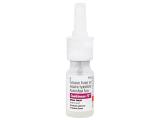
Dymista is a nasal spray used to treat seasonal allergic rhinitis by reducing nasal inflammation, congestion, sneezing, and runny nose.
|

|
50/140mcg
2sprays |

|
$87.59
$72.99 $36.49 per spray |
+ Package delivery insurance + Next orders 10% discount |
ADD TO CART save: $0.00 |
|
|
+ Package delivery insurance + Next orders 10% discount |
|||||
|
50/140mcg
4sprays |
|
$140.39
$116.99 $29.25 per spray |
+ Package delivery insurance + Next orders 10% discount |
ADD TO CART save: $28.96 |
|
|
+ Package delivery insurance + Next orders 10% discount |
|||||

October
 |
|
Delivery period 14-21 days |
14.95$ | Tracking# available in 4 days |
 |
|
Delivery period 9-14 days |
30$ | Tracking# available in 2 days |
Common use
Dymista nasal spray is a dual-action prescription medication that combines two active ingredients: azelastine hydrochloride, a potent antihistamine, and fluticasone propionate, a corticosteroid anti-inflammatory agent. This combination nasal spray is specifically formulated for the treatment of moderate to severe seasonal allergic rhinitis (hay fever) in patients who require both antihistamine and corticosteroid therapy. Dymista provides comprehensive relief from allergic nasal symptoms including sneezing, runny nose, nasal congestion, and itchy or watery eyes. The dual mechanism of action — blocking histamine receptors while simultaneously reducing nasal inflammation — makes Dymista more effective than either component used alone. Patients who buy Dymista online appreciate its convenience as a single-spray solution that replaces the need for separate antihistamine and steroid nasal sprays.
Dosage and direction
The recommended dose of Dymista for adults and children 12 years and older is one spray in each nostril twice daily (morning and evening). Before first use, prime the pump by pressing it several times until a fine mist appears. Gently blow your nose before each application to clear the nasal passages. Tilt your head slightly forward, insert the nozzle into one nostril, and spray while breathing in gently. Avoid spraying directly onto the nasal septum. Do not exceed the recommended dose. Shake the bottle gently before each use. Regular daily use is recommended for optimal allergy symptom control.
Precautions
Before using Dymista nasal spray, inform your doctor if you have glaucoma, cataracts, active or dormant tuberculosis, untreated fungal, bacterial, or viral infections in the nose or throat, recent nasal surgery or nasal trauma, or nasal septum ulcers. Long-term use of nasal corticosteroids may affect growth in children, so regular height monitoring is recommended. Avoid close contact with people who have infectious diseases such as chickenpox or measles while using this medication. Report persistent nosebleeds, nasal irritation, or changes in vision to your healthcare provider. Dymista may cause drowsiness, so use caution when driving or operating machinery.
Contraindications
Do not use Dymista if you have a known allergy or hypersensitivity to azelastine, fluticasone propionate, or any excipient in the nasal spray formulation. Dymista is not recommended for children under 12 years of age unless specifically prescribed. This combination antihistamine and corticosteroid spray should not be used as a substitute for systemic corticosteroid therapy in patients requiring oral steroid treatment.
Possible side effect
Common side effects of Dymista nasal spray include dysgeusia (altered or bitter taste in the mouth), nasal discomfort or irritation, epistaxis (nosebleeds), headache, and sneezing after application. Some patients may experience drowsiness or fatigue. Less common side effects include nasal dryness, throat irritation, or cough. Rare but serious side effects may include severe allergic reactions (anaphylaxis), nasal septum perforation, glaucoma, cataracts, or adrenal suppression with prolonged high-dose use. Seek immediate medical attention if you experience vision changes, severe facial pain, or signs of a systemic allergic reaction.
Drug interaction
Dymista may interact with other nasal corticosteroids, and concurrent use should be avoided to prevent excessive corticosteroid exposure. Ritonavir and other strong CYP3A4 inhibitors may increase fluticasone blood levels, potentially leading to systemic corticosteroid effects. Use caution when combining Dymista with other CNS depressants or sedating antihistamines, as this may increase drowsiness. Inform your doctor about all prescription medications, over-the-counter products, and dietary supplements you are currently taking.
Missed dose
If you miss a dose of Dymista, administer it as soon as you remember. If it is almost time for your next scheduled dose, skip the missed dose and continue with your regular dosing schedule. Do not use a double dose to compensate for a missed application.
Overdose
Acute overdose with Dymista nasal spray is unlikely but may cause excessive nasal irritation, drowsiness, or systemic corticosteroid effects such as adrenal suppression with chronic overuse. If accidental ingestion occurs or if overdose is suspected, seek medical attention promptly. Treatment is generally supportive and symptomatic.
Storage
Store Dymista nasal spray at controlled room temperature between 15 and 30 degrees Celsius, away from heat, moisture, and direct light. Keep the bottle in an upright position with the cap tightly closed. Do not freeze. Discard the bottle after the labeled number of sprays has been used, even if the bottle is not completely empty. Keep out of reach of children.
Disclaimer
We provide only general information about medications which does not cover all directions, possible drug integrations, or precautions. Information at the site cannot be used for self-treatment and self-diagnosis. Any specific instructions for a particular patient should be agreed with your health care adviser or doctor in charge of the case. We disclaim reliability of this information and mistakes it could contain. We are not responsible for any direct, indirect, special or other indirect damage as a result of any use of the information on this site and also for consequences of self-treatment.
